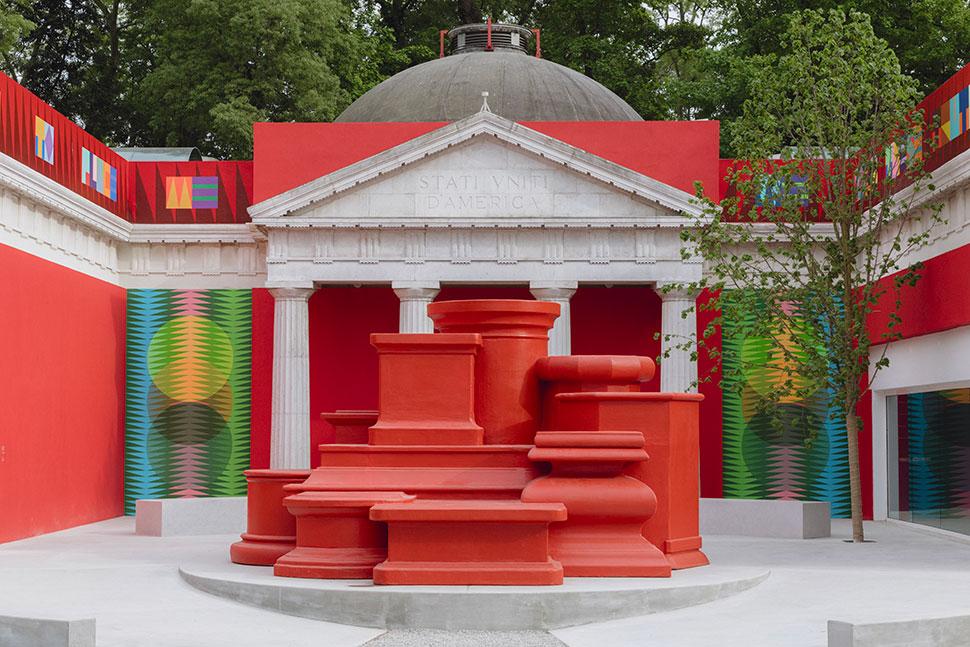
Some events do not end when they happen. That is why I needed time before writing about the Venice Biennale.
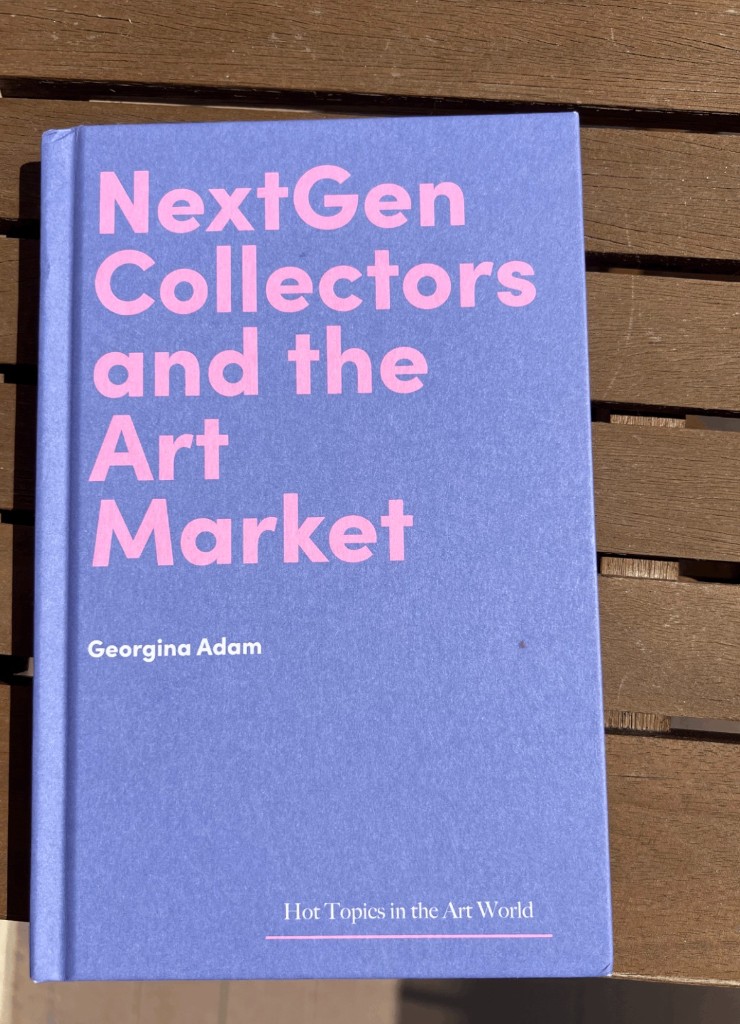
NextGen Collectors and the Art Market is not simply about new collectors. It is about a shift in mindset.
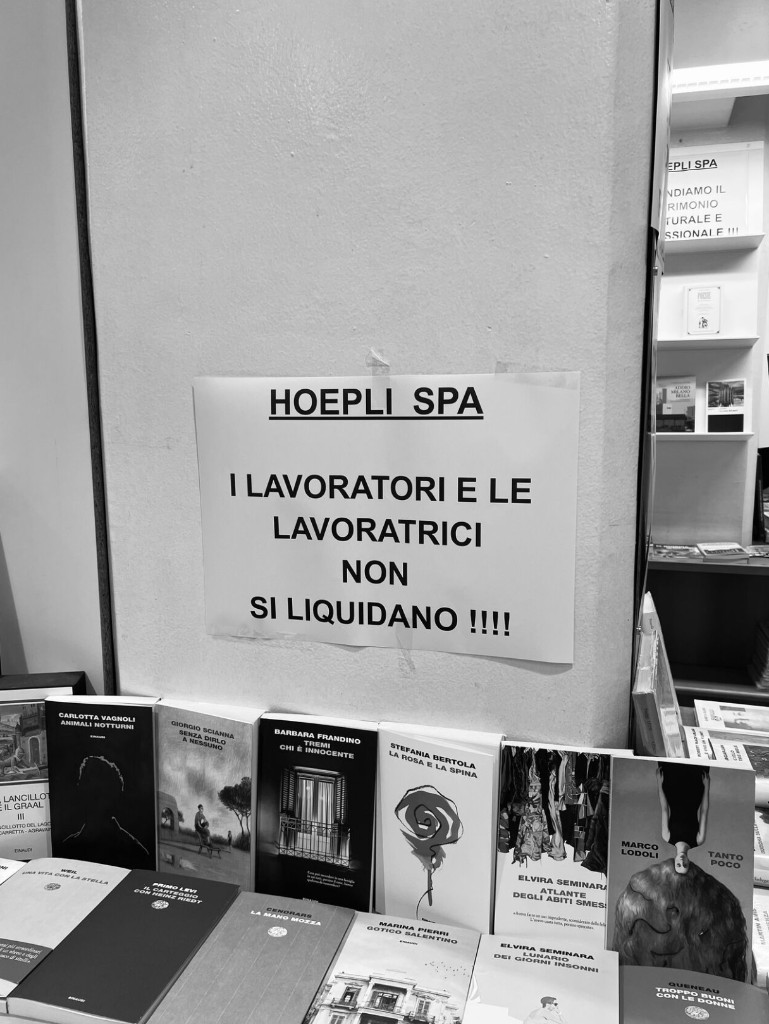
Fewer than twenty days remain before the Hoepli bookstore in Milan closes. This is not news: it is a symptom.
Stepping into Marco Fusinato’s THE ONLY TRUE ANARCHY IS THAT OF POWER at PAC means being engulfed by an environment that vibrates, pulses and invades.
Some exhibitions you walk through quickly; others change the pace of looking. Ostinato, at Galleria Francesca Minini, belongs to the second kind.
To support, to carry, to hold: with Bearing, presented by Galleria Raffaella Cortese, Gabrielle Goliath brings to Milan a project on presence, vulnerability and bodily memory.
At Spazio Morgagni, from 20 to 30 April 2026, Man Ray is pulled away from museum monumentality and returned to an almost domestic scale — a matter of crossings and proximity.
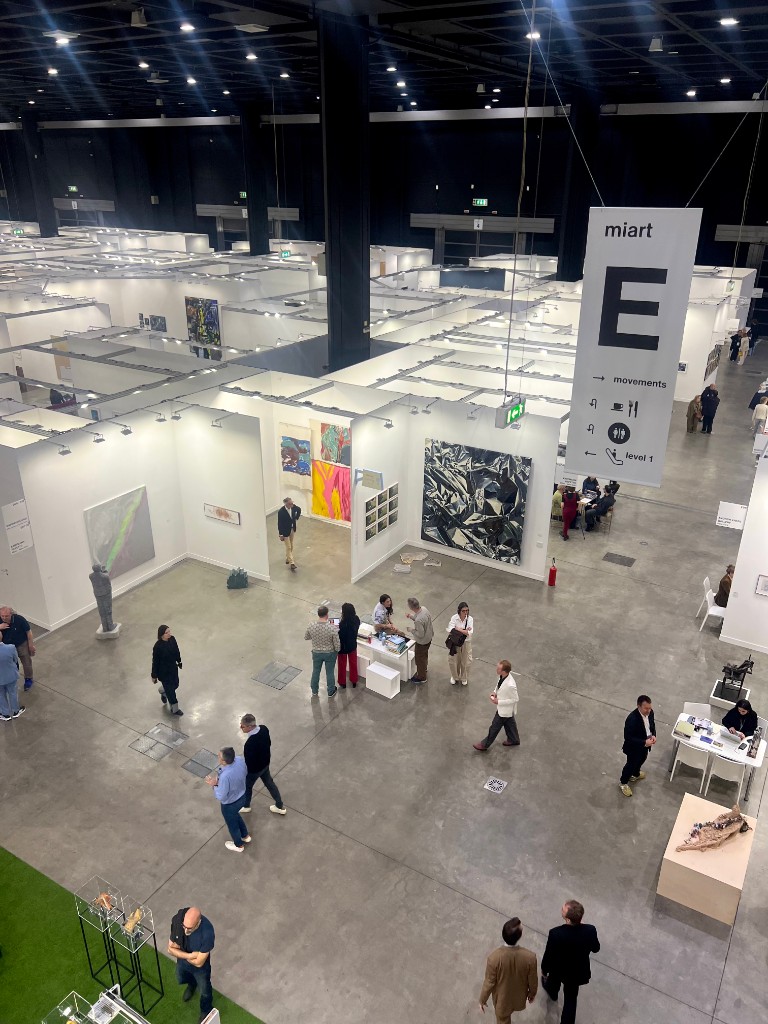
The 2026 edition of miart presents itself as a fair of generous scope, giving visitors a rare feeling: the chance to pause, look and even breathe among the works.
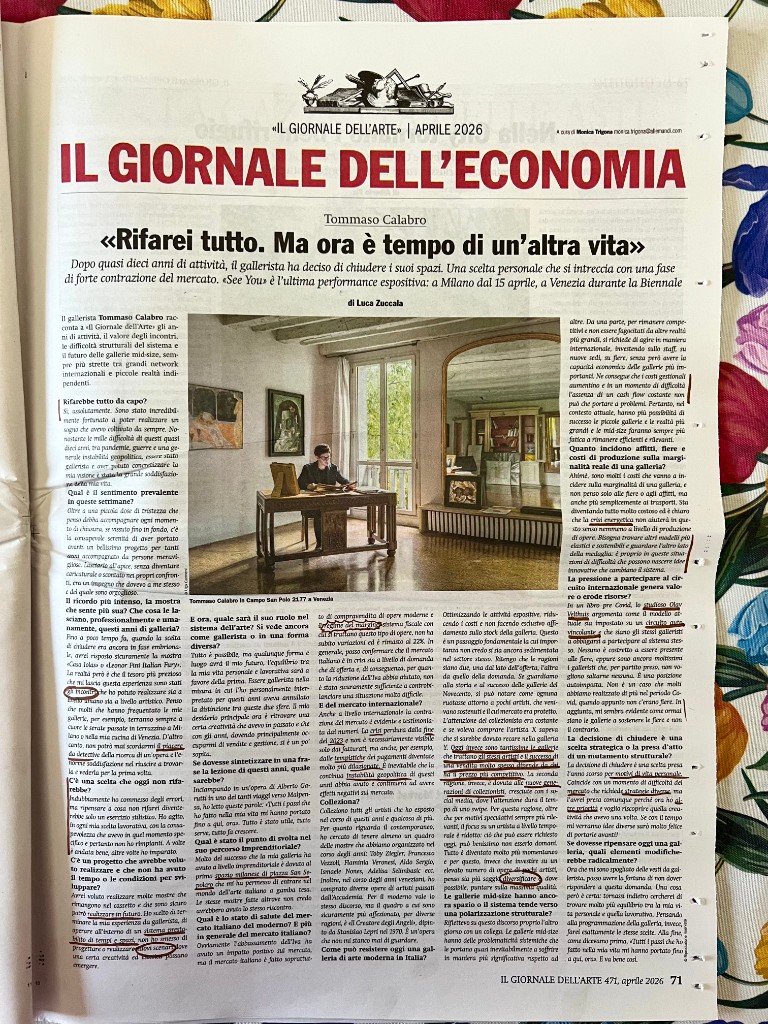
Spring 2026 does not begin with an opening, but with silence. The doors of Tommaso Calabro’s galleries in Milan and Venice close almost on tiptoe.
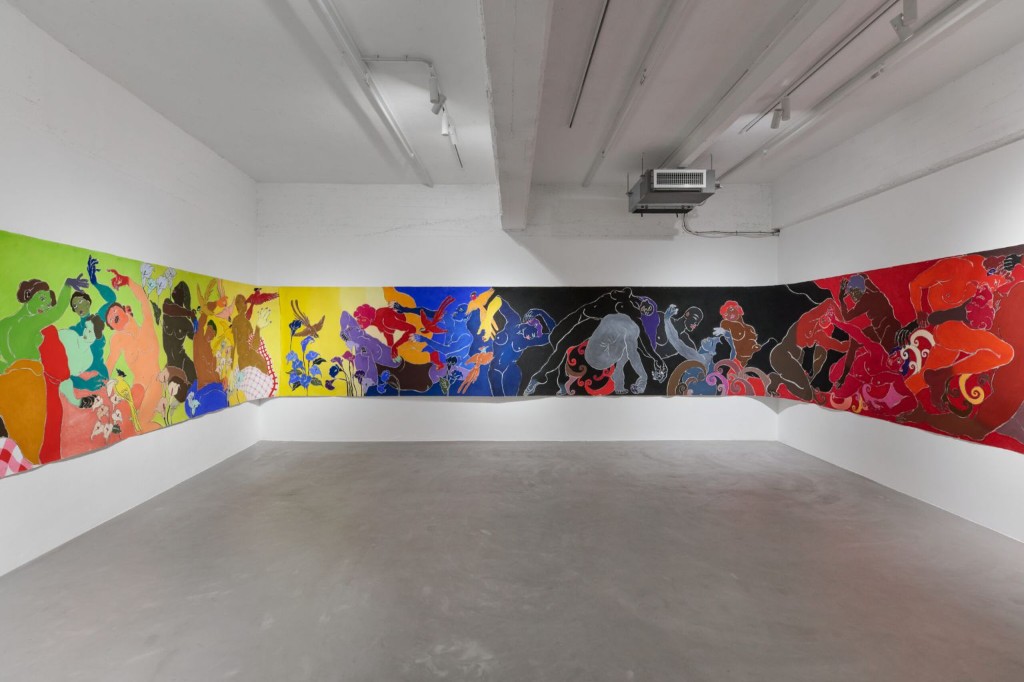
Stepping into ArtNoble Gallery feels like entering a dream: Amparo Viau’s. Unfolded across a forty-metre sheet, the artist’s imaginary immediately draws the gaze in.
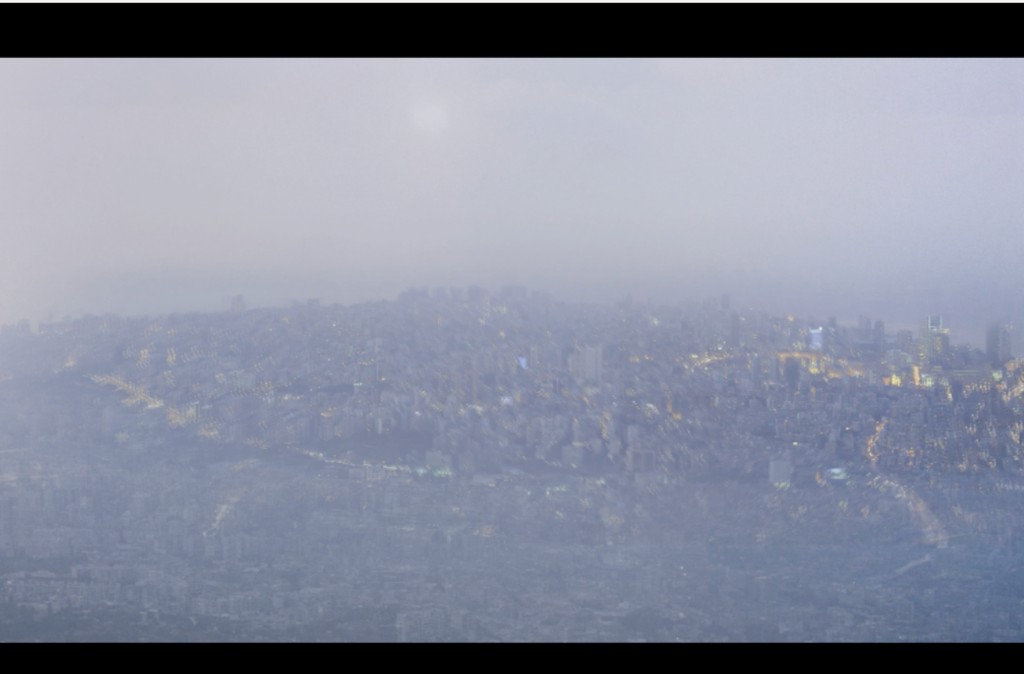
From 23 March to 3 July 2026, at Circolo on Via della Spiga, Shifting Crossroads | Beirut Contemporary brings together eleven artists around a city that never offers itself as a whole.
From 13 March to 16 April 2026, at The Kitchen Art Gallery and Spazio Blue Train, Silvia Franceschi weaves an intimate dialogue among sixteen artists.
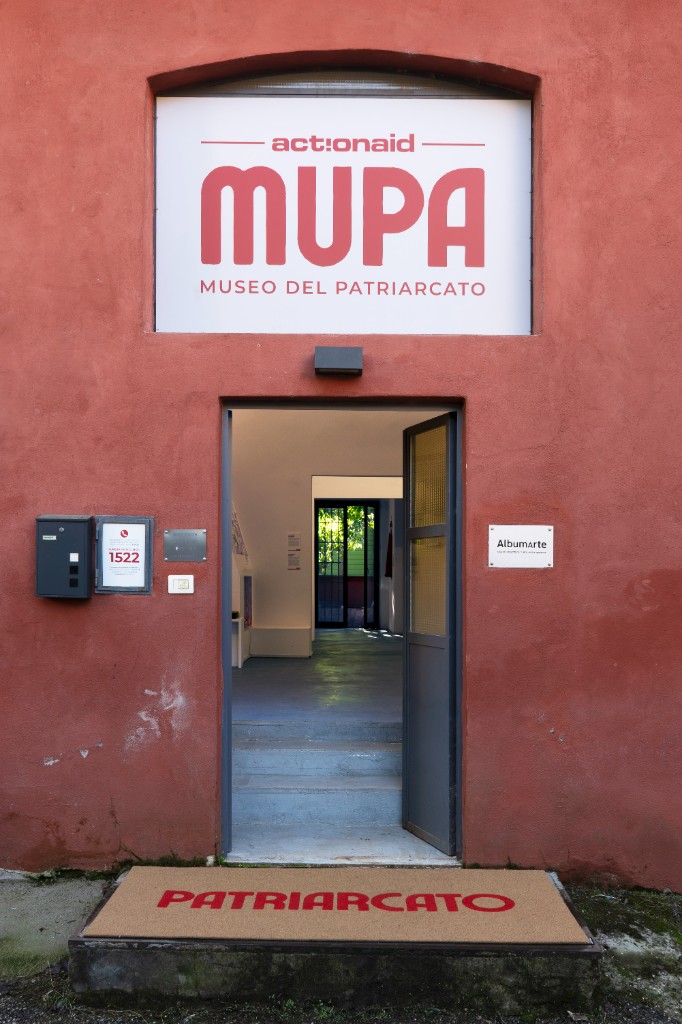
With MUPA – Museo del Patriarcato, ActionAid brings to the Cisterns of Fabbrica del Vapore words that weigh: trampling, the gender gap, femicide.
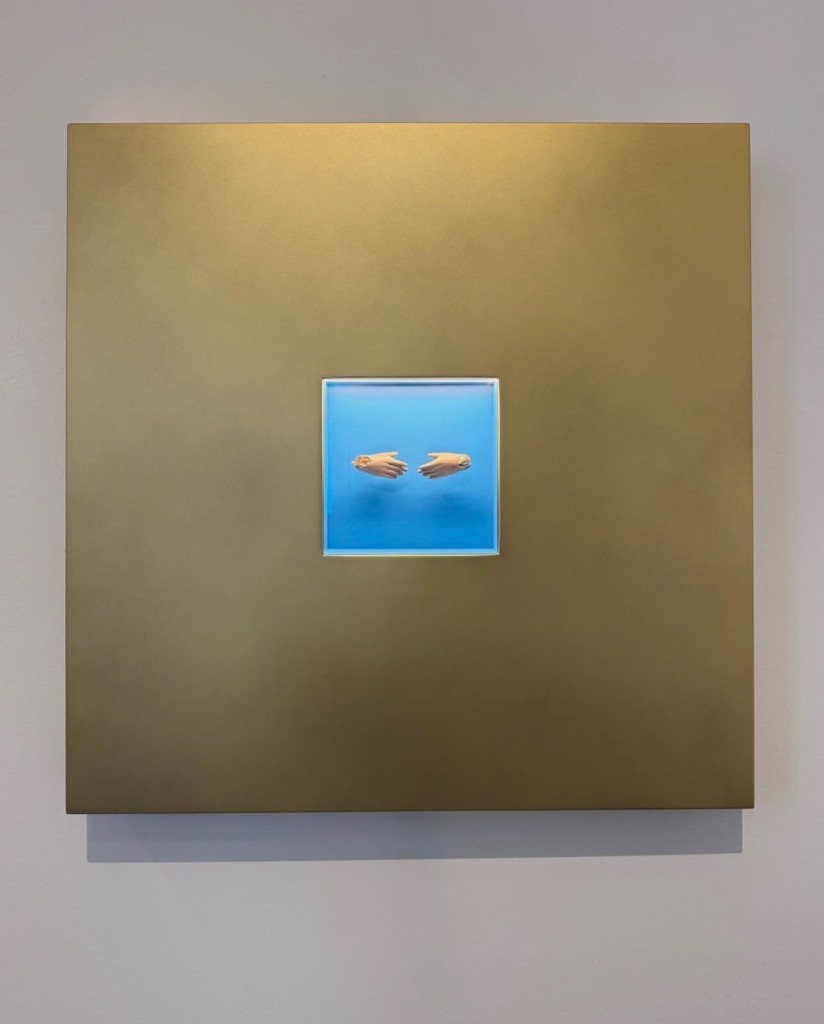
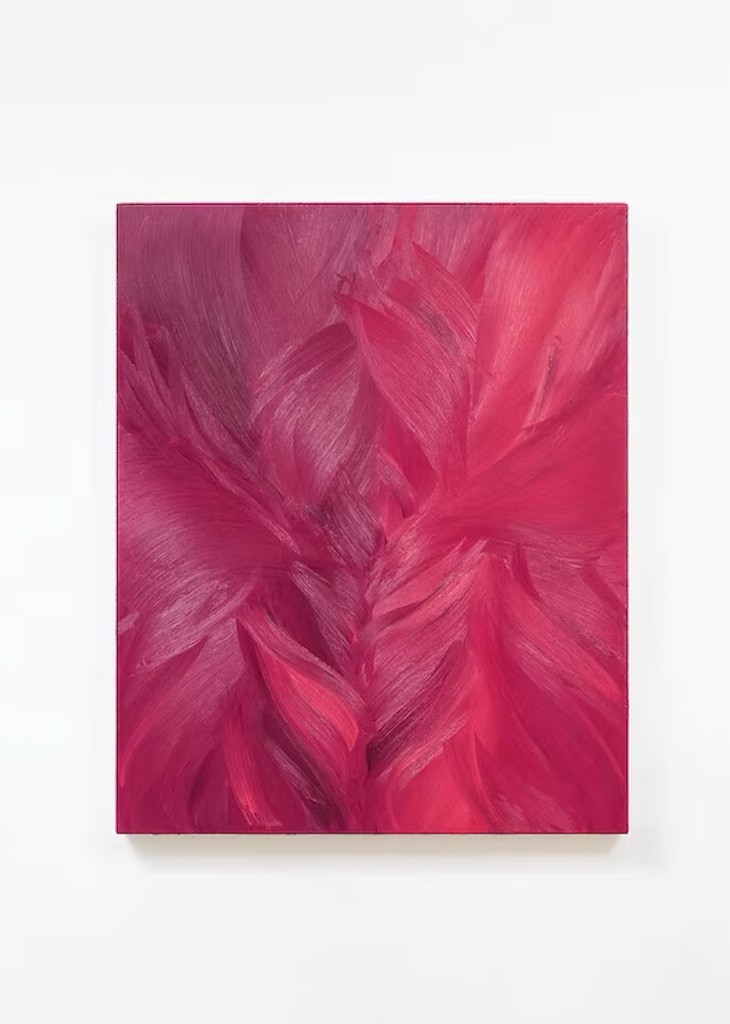
From 4 March to 23 May 2026, Jason Martin marks the gallery’s sixtieth year with eight works in which colour is structure, not decoration.
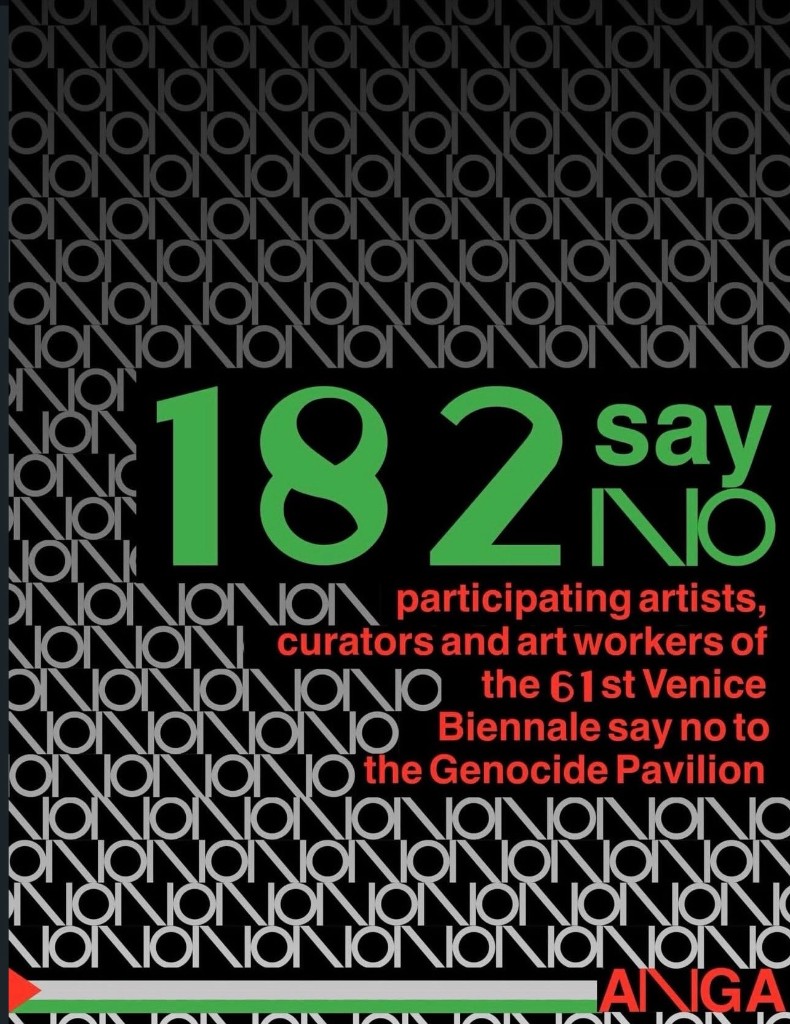
Artists and curators sign the letter from the ANGA collective. Faced with all this, what remains of the Venice Biennale’s response?
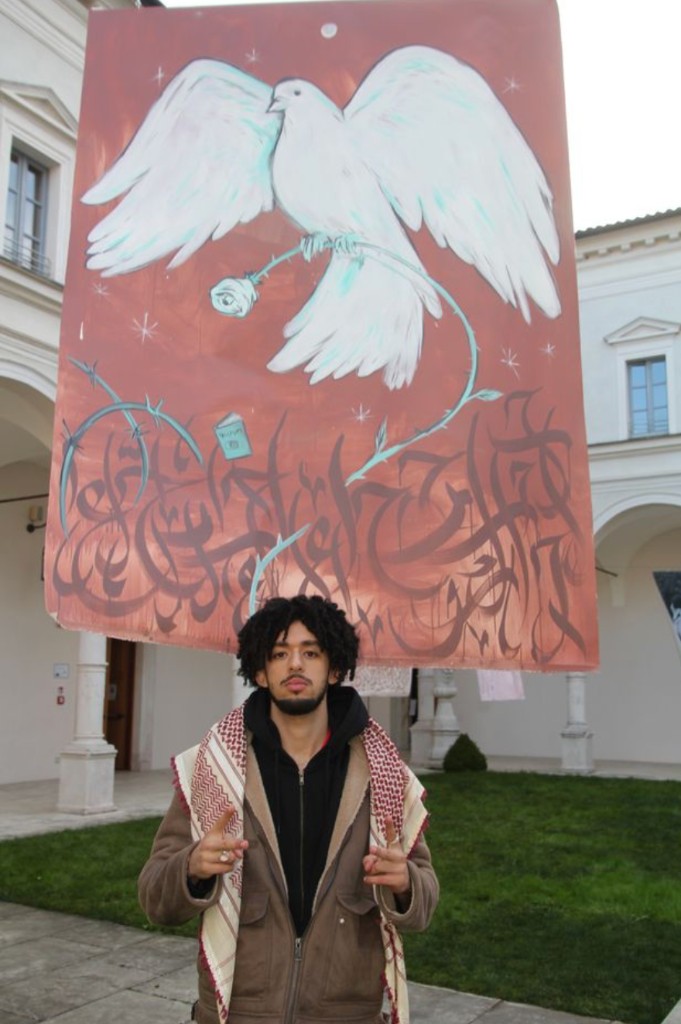
At the abbey of San Paolo d’Argon, Mosa One brings the challenges of the present into focus: passports, doves and Arabic script as symbols of freedom of expression.
From 19 to 22 March 2026, the fifteenth edition turns Superstudio Più into a journey through art, emotion and visual experimentation.
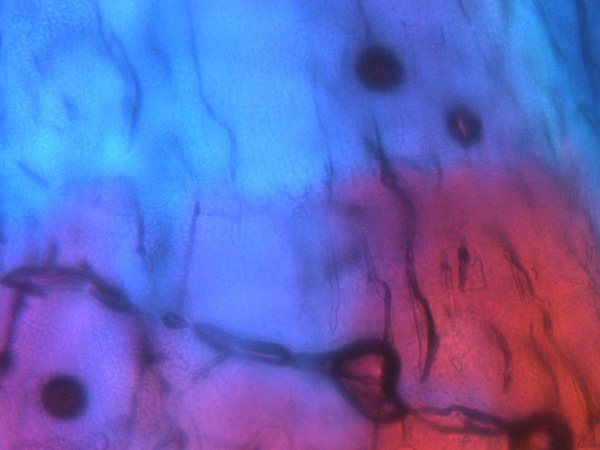
An encounter can grow from a shared question more than from a stated theme. The talk One Drop, presented at the fifteenth edition of MIA Photo Fair, weaves artistic practices, scientific reflection and environmental urgency around water.
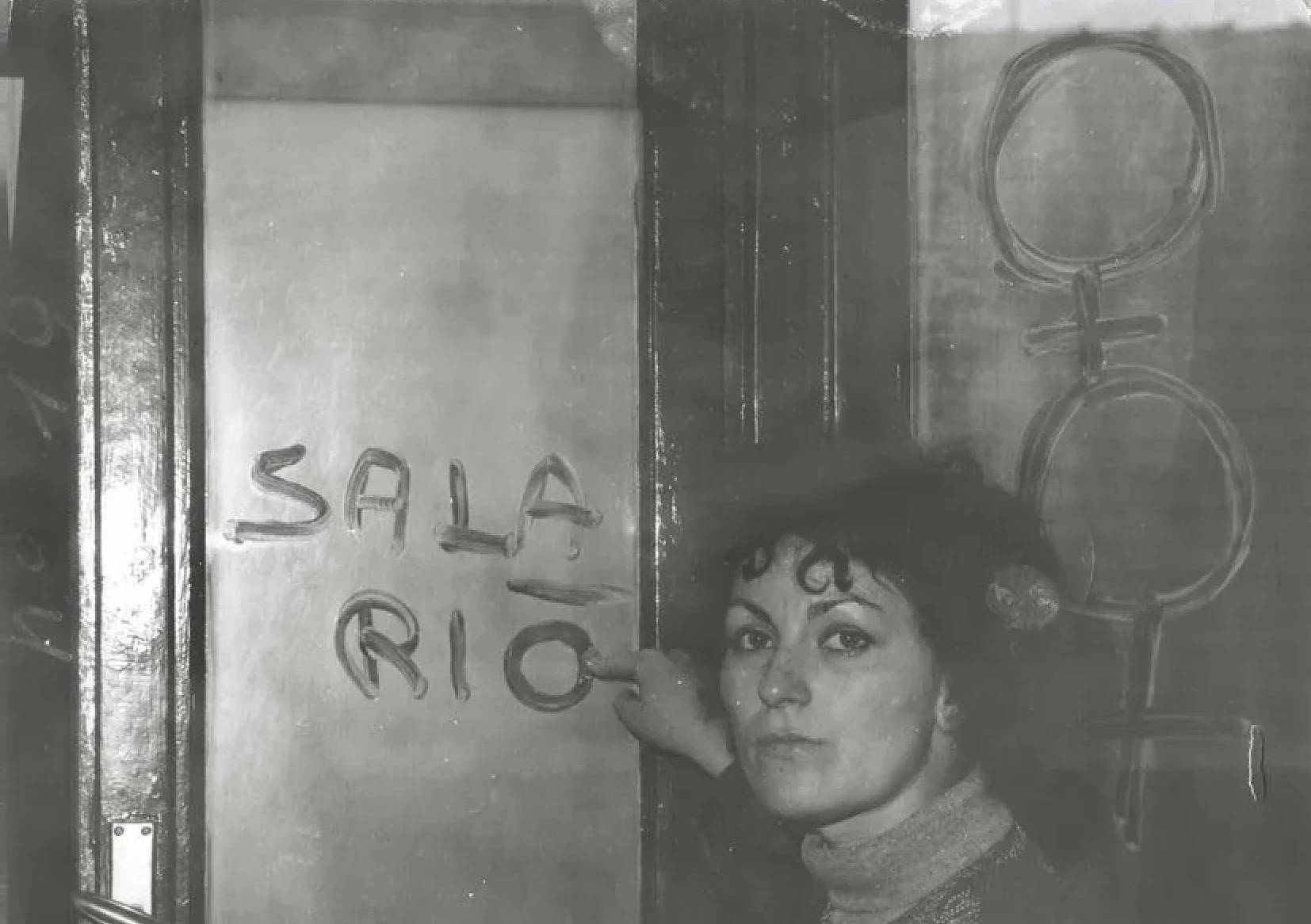
Visionary, disobedient, feminist. Milli Gandini, artist and cultural agitator, facing a 1970s Varese stifled by the greyness of neo-fascist backlash that sought to extinguish every form of dissent.
When the body — with its power to subvert norms and generate pleasure — becomes a commodity, a question arises: can this be an act of political rebellion, or merely another form of submission to the market?
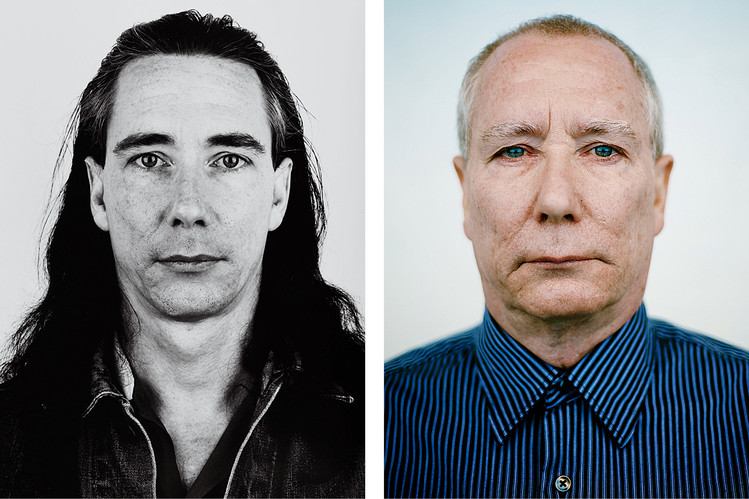
Over a decade after Mike Kelley’s death, Tate Modern’s Ghost and Spirit retrospective revisits an artist who resisted clear-cut categories and challenged the usual rules of the art system and market.
Does the title Stranieri Ovunque — Foreigners Everywhere truly reflect the work of the Claire Fontaine collective? Is it an appropriate title for this edition of the Venice Biennale?