SOCIETÀ UMANITARIA, MILANO — 07.2025 — PP. 07–15
Cartographies of memory
CONCEPT
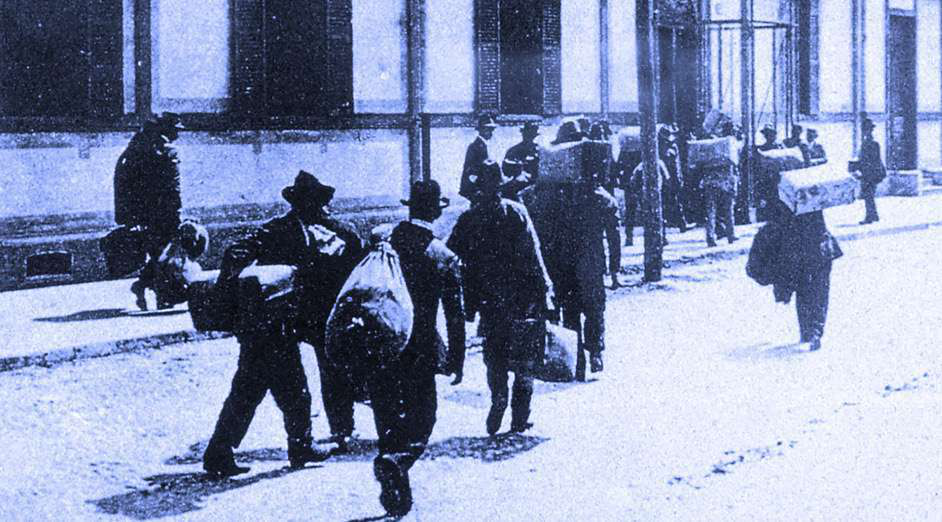
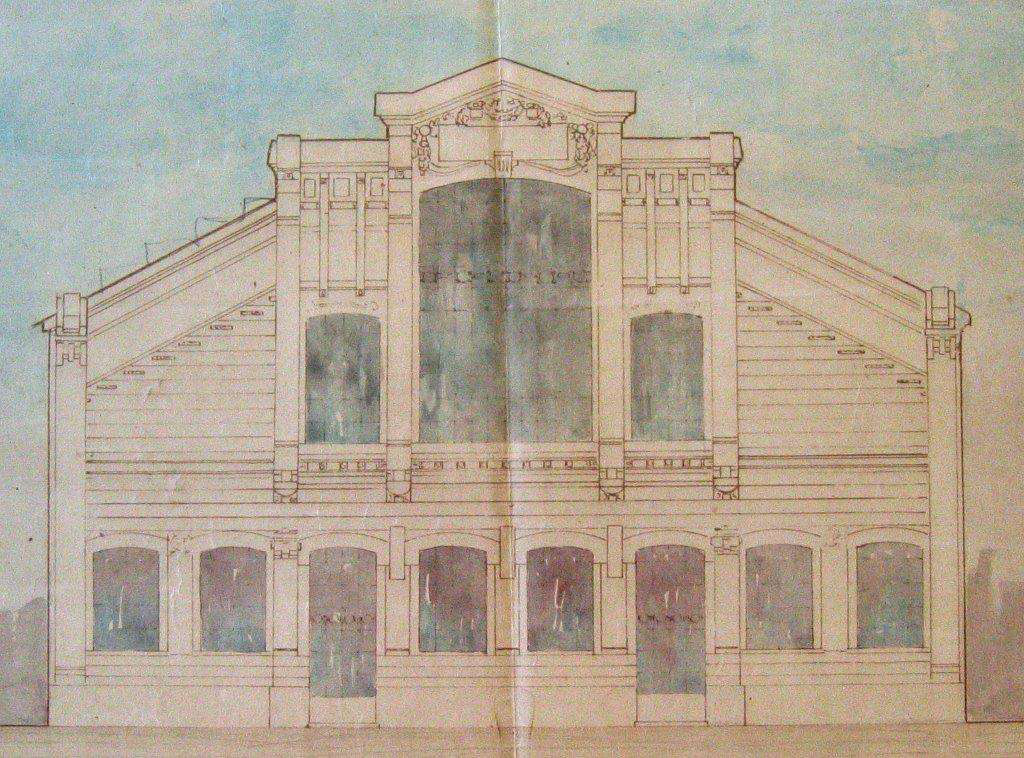
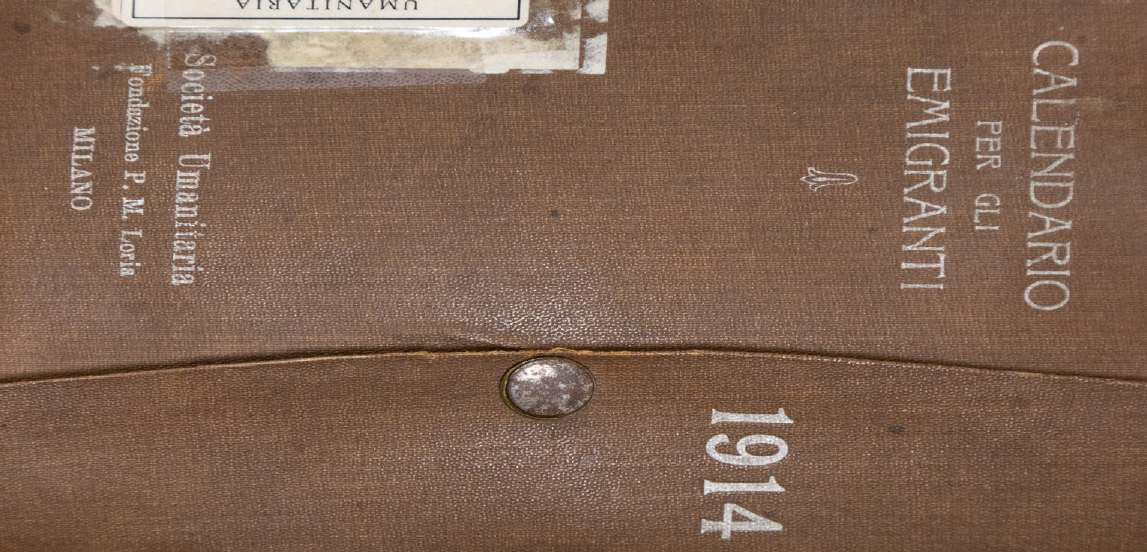
The project builds a connection between past and present by putting archival documents in dialogue with works by artists from the NABA Triennio. Through the reinterpretation of historical materials and artistic readings, it explores the relationship between memory and contemporaneity, opening new perspectives on the future. The aim is to highlight the strong impact that narrative has on our identity and on the way we perceive the world. With particular attention to the Teatro del Popolo and the Casa degli Emigranti — emblematic symbols of the social commitment of the Società Umanitaria — the exhibition investigates memory as a dynamic process of rediscovery and of attributing new meanings. Each artistic intervention becomes an act of rewriting, able to bring the past into the present and keep it alive.
EXHIBITION DISPLAY
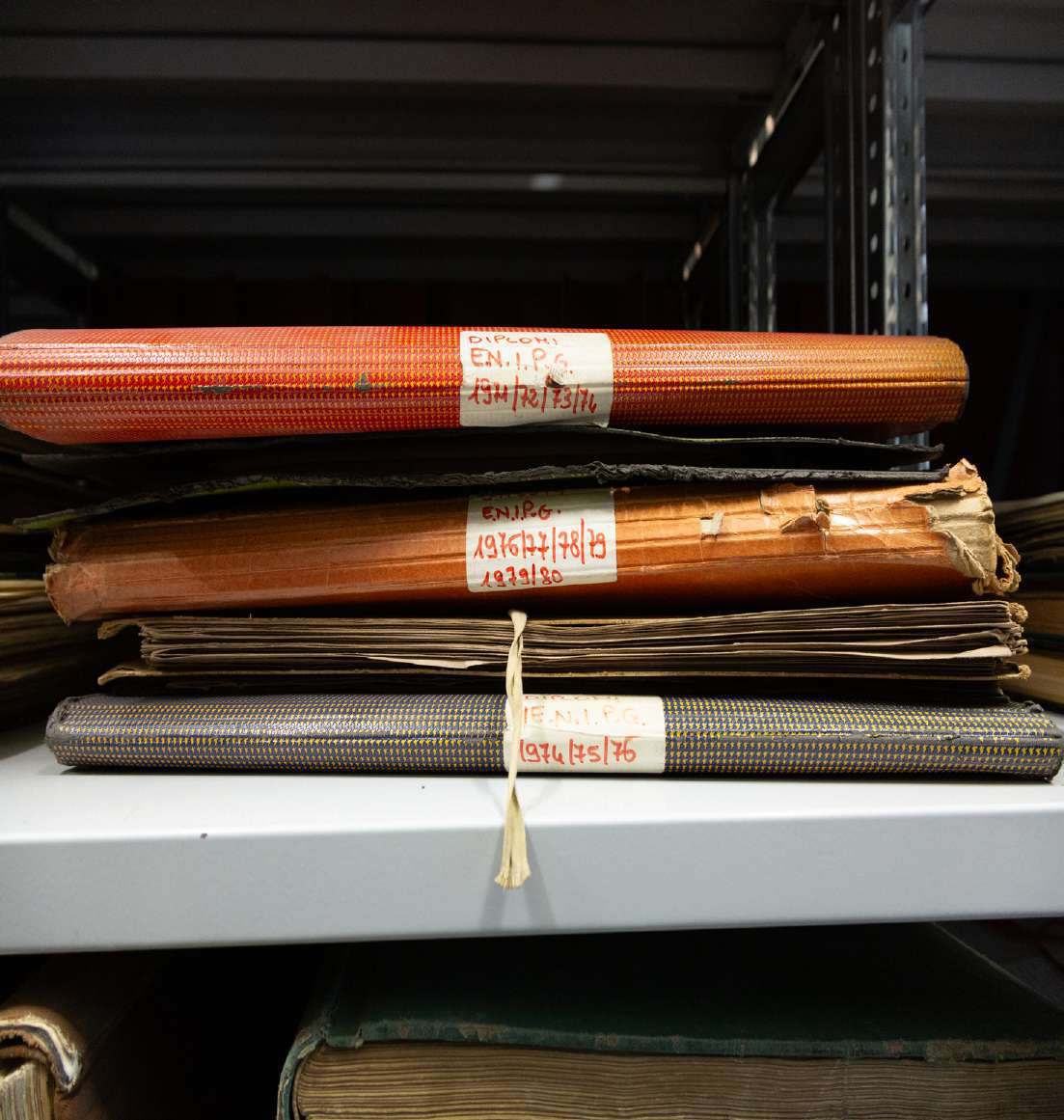
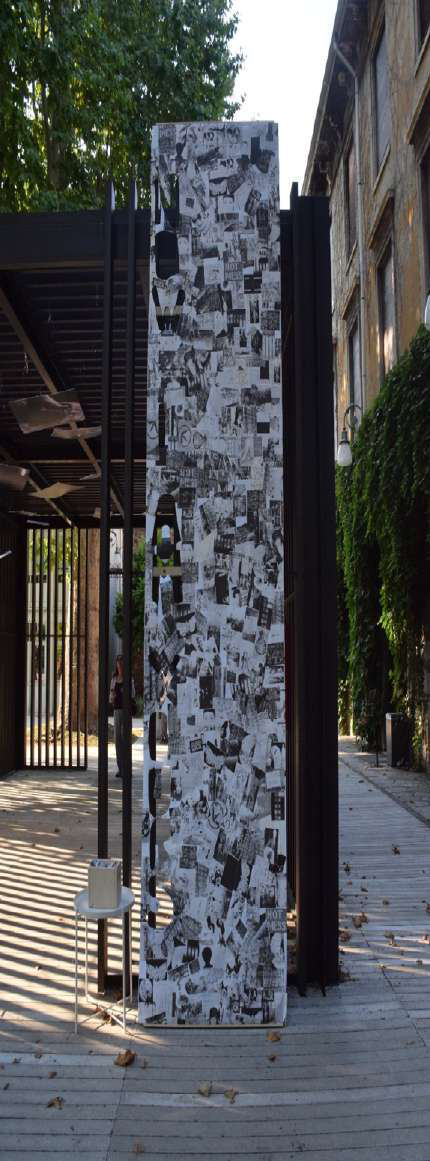
The works on show enter into dialogue with archival materials, presented through a temporary, modular display. This flexible solution, adaptable to the spaces of the Società Umanitaria, ensures a versatile presentation without compromising the architectural integrity of the venue.
WORK 1 — Invisible
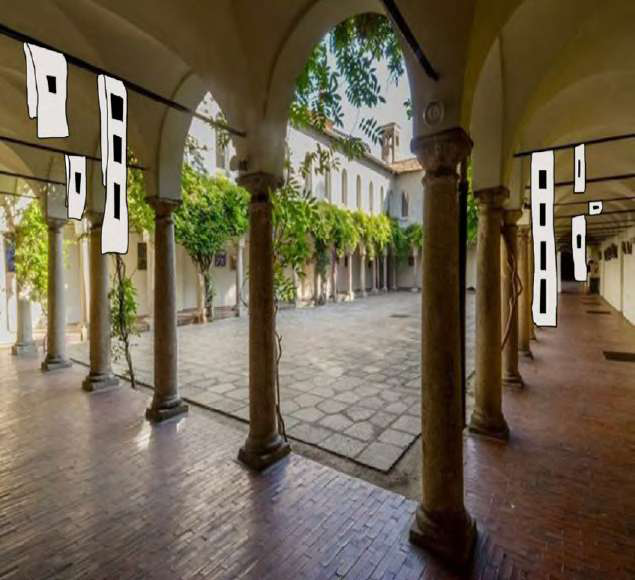
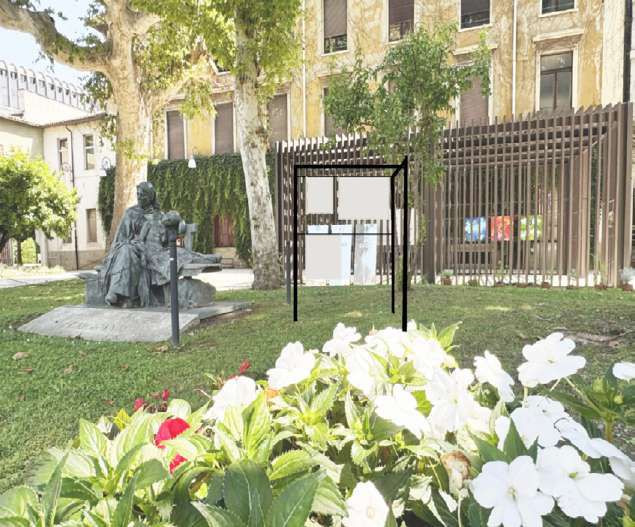
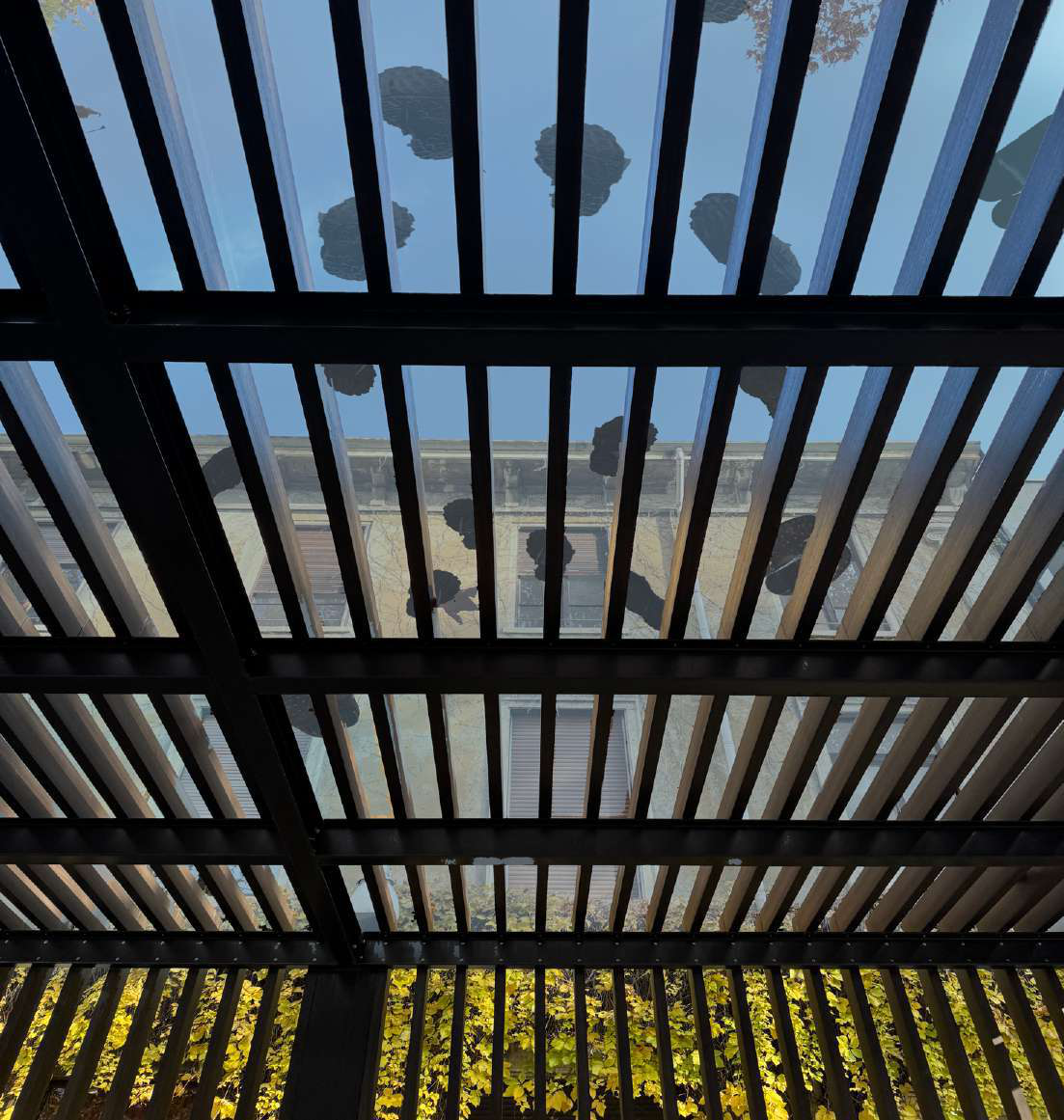
Invisible proposes a dual experience: that of those who are invisible in society, and that of those who choose not to see. Through a cage-like structure placed inside the Società Umanitaria, the work explores the alienation of immigrants and their exclusion. From afar the space appears empty, but entering and looking up reveals suspended, inaccessible figures — symbols of distance and incommunicability. The footprints left on the ground hold a coded message, decipherable only through careful observation. The work thus becomes a physical and symbolic experience of exclusion, and also an invitation to reflect on how we perceive — and ignore — the other, in life as in art.
WORK 2 — A Simple Concept
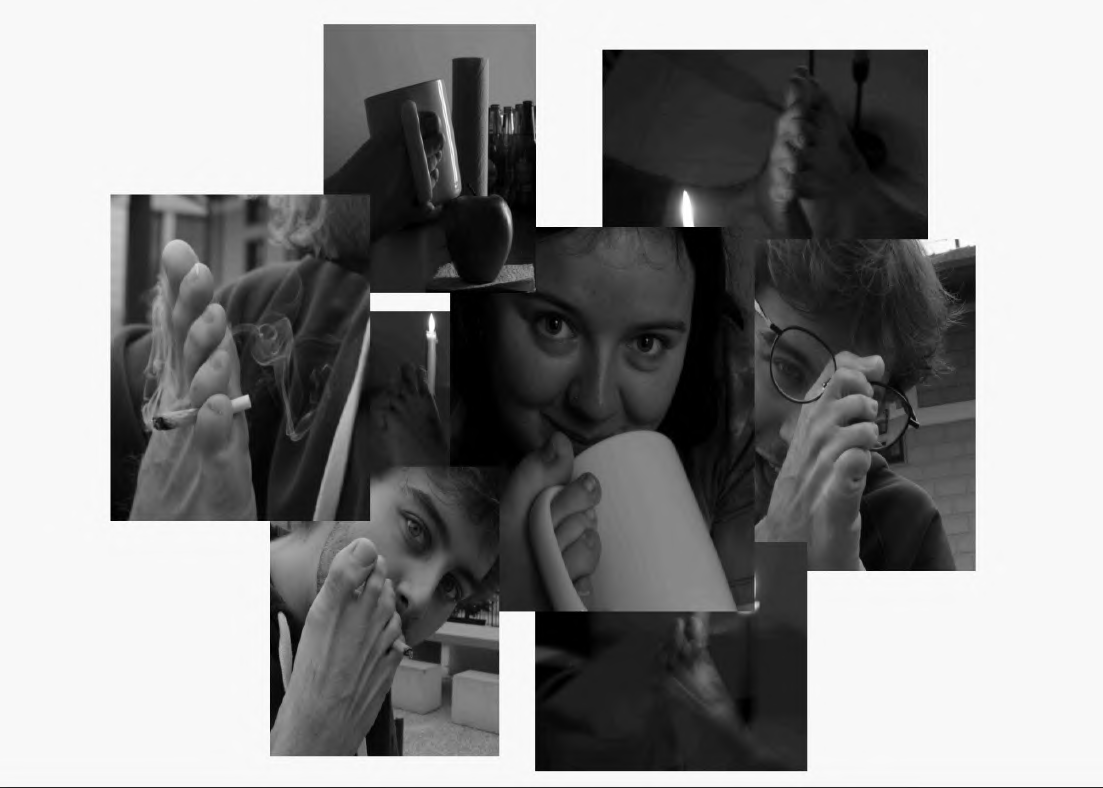
Suspended from the ceiling, a series of images shows feet that hold objects and perform gestures, becoming tools of action and meaning. A Simple Concept invites us to reconsider what is familiar and everyday, often invisible because it is always present. Feet, symbols of stability and movement, urge us to question our gaze from an unusual perspective, opening us to new visions of life’s oddities. Every passer-by is a traveller: we have all walked toward new places, outward or inward. Why, then, does what is essential sometimes seem so strange to us?
WORK 3 — Video call
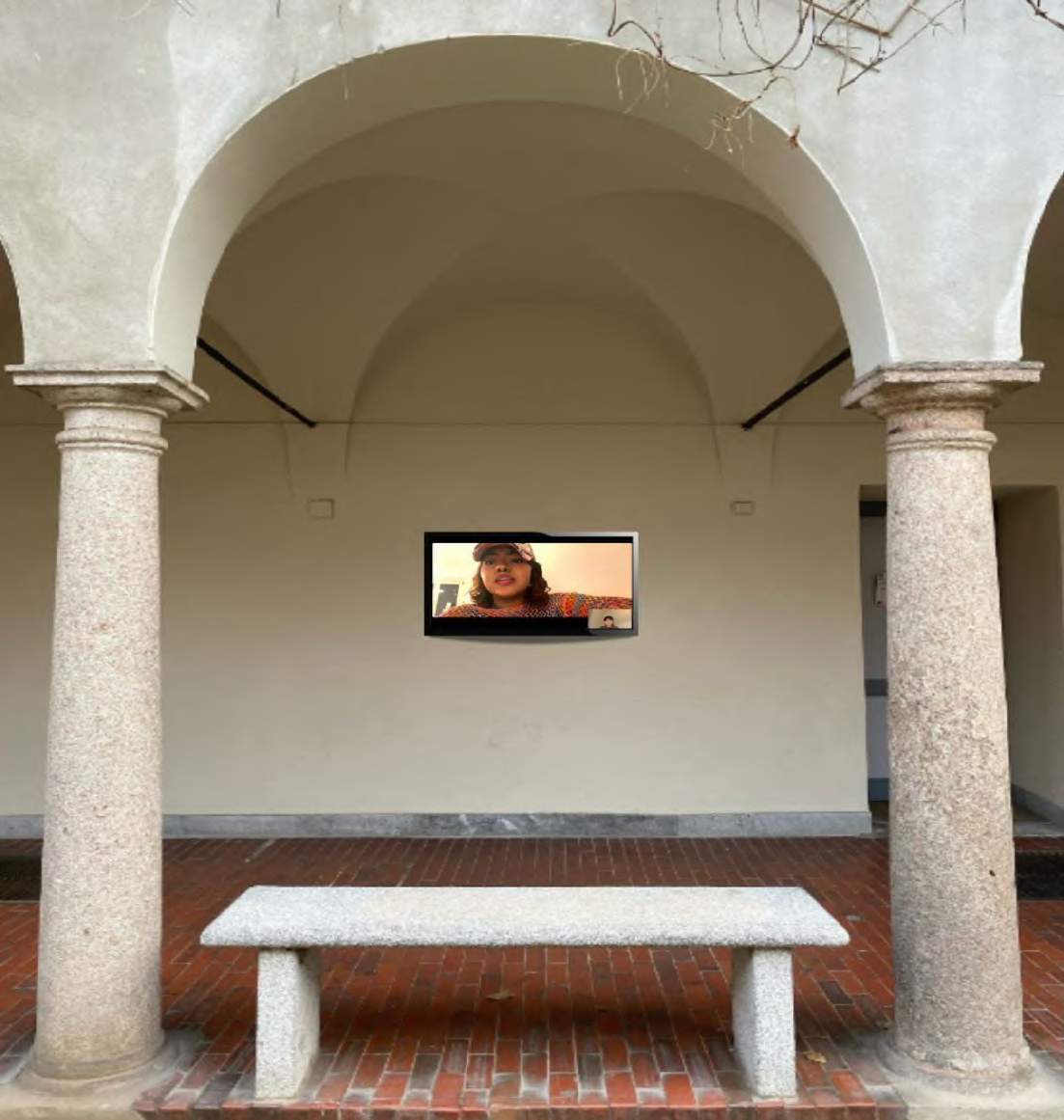
Video call is an intimate portrait of the migratory experience, built around Shahad’s real voice. The video becomes a suspended space in which time intertwines with memories and everyday life. Through original audiovisual materials, it affirms the need for authentic narratives, far from media stereotypes. Freedom of viewing allows the spectator a personal form of listening, creating a direct relationship with the narrative. More than a documentary on war or migration, it is an invitation to recognise the humanity behind the news, to embrace the complexity of a path of transformation, pain and resistance.
WORK 4 — Not an immigrant but I am a foreigner
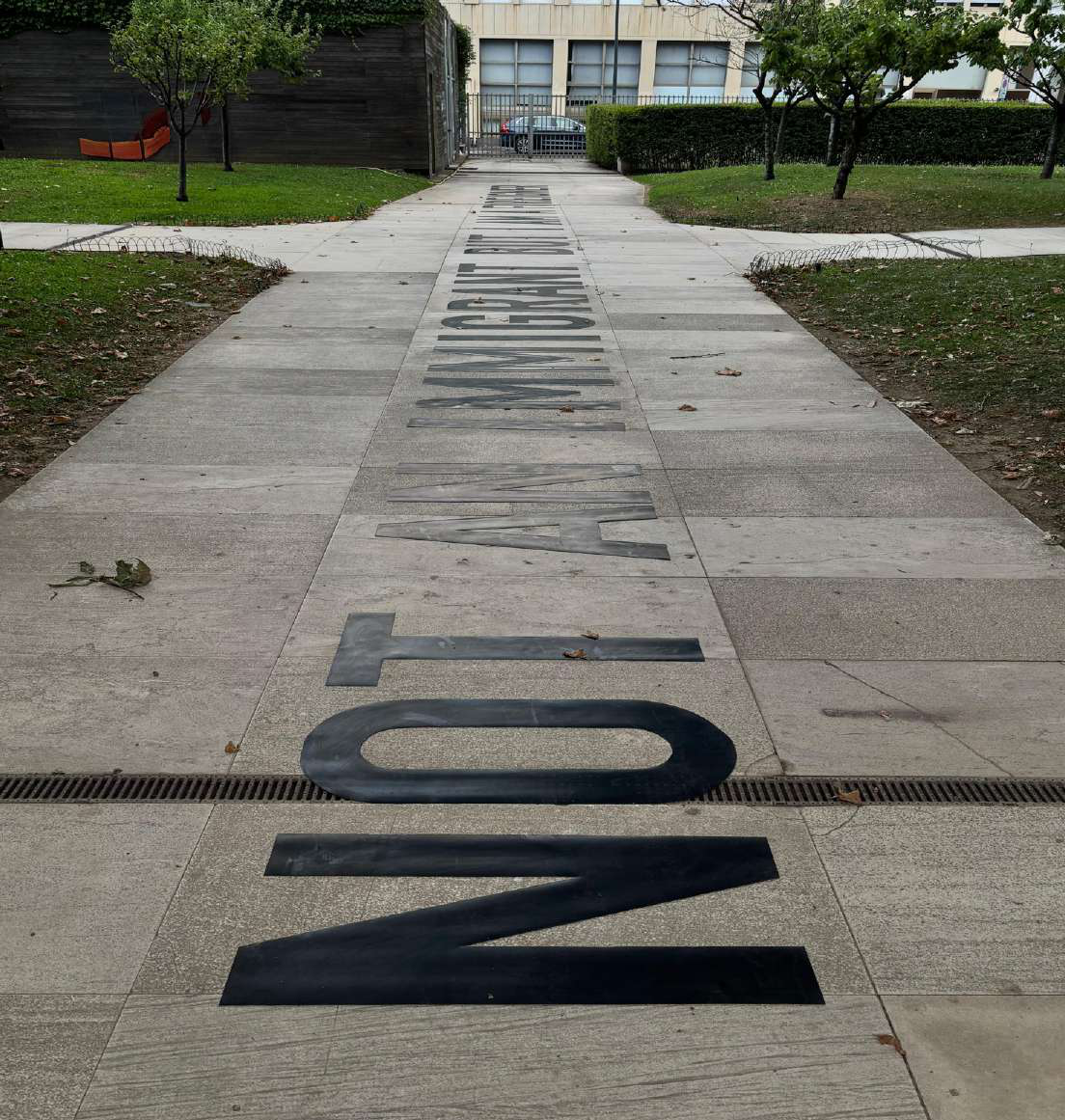
Not an immigrant but I am a foreigner is a site-specific installation placed at the meeting point of two paths inside the Società Umanitaria. The lettering, made of black walkable rubber, changes with the passage of visitors, who become its unwitting co-authors. The work reflects on the effects of migration on subsequent generations and on the deeper meaning of being a foreigner — understood not only in a geographic or political sense, but as an inner condition of cultural, linguistic or identity displacement. What happens to those who inhabit a place without fully feeling it as their own? To those who live between belongings that never fully coincide?
CATALOGUE
The exhibition catalogue is divided into several sections, including a historical introduction and a brief description of the curatorial methods. The reference format is that of a flyer, made with simple materials and a minimalist aesthetic.